Featured
Table of Contents
As we move into the new year, it appears that Social network is setting its foot as a go-to search engine for any type of query. Based on reports by Hubspot, 87% of social media marketers expect that social networks platforms will over power the standard searches in terms of customer browsing for brands.
Verifying the shift, Brandwatch notes that 76% of consumers now use social media to discover items and brand names, seeing it as a less prejudiced option to Google. Platforms like instagram and tiktok are the most favored option as a search tool amongst Gen Z, in specific. Google holds third position despite its dominance in search market share.
In 2023, there were roughly 106.8 million social buyers in the U.S. i.e. approximately 31% of U.S. internet users, with projections suggesting this will increase to 118 million i.e 34% by 2027, reflecting a growing pattern in social commerce. The social commerce market is expected to grow from almost 43% of overall eCommerce sales in 2023 to around 80% by 2028.
Hence, social networks isn't just a platform for connection; it's a vibrant search and shopping environment that continues to progress. It is plainly evident that Influencer Marketing is following an upward pattern and moving towards micro and nano influencers. Producing highly genuine and specific niche material, small influencers enjoy a greater rate of customer engagement than their macro matches.
Boosting PPC Performance With Next-Gen Bidding
Brands are also able to effectively broaden their reach to specific demographics while leveraging the trust and relationship these influencers develop with their audiences. While standard ads deal with ever growing suspicion, the relationships supported by these micro influencers are genuine and greatly enhance brand name engagement and reliability. In digital marketing Video is the power gamer and controls as a marketing tool.
Online marketers forecast that the trend is only set to broaden in future and Brand names can expect to see enhanced efficiency in their marketing campaigns on successfully putting to utilize these User produced material in their advertisements. Video isn't just a pattern; it's a tactical need. Video ads with user-generated content (UGC) is considerably successful but requires substantial effort and perseverance.
It has actually revealed impressive lead to recent studies, like In contrast to its counterpart (standard advertisements), UGC based ads attract 4 times higher CTRs showing substantial boost in consumer engagement. Online marketers usually see 50% decrease in cost-per-click (CPC) providing companies a more affordable choice to optimize their ad spending plan. User generated content in Video advertisements shape consumers habits and around 79% customers agree that video advertisements with UGC affect their purchasing decisions.
Why Does AI Essential for Modern Companies?
This pattern in digital marketing points beyond basic social networks ads. It uses companies a chance to produce interesting and useful content like webinars, item demos, brand name storytelling, case studies, and videos showcasing expertise. With the growing appeal of voice assistants and wise speakers, Voice Searches have actually been experiencing continuous development.
Consumers use voice-activated searches according to their convenience for different jobs, like Making purchases through voice commands. Seeking information and asking questions to Voice assistants in conversational tone. This makes it important for brand names to optimize their content accordingly, creating tailored ads for voice interactions so that it lines up with the conversational intent of the user.
Businesses that are believing to adjust voice search, mostly require to revamp on their SEO strategy. To boost their discoverability they require to focus on long tail keywords, carry out structured data, and utilize natural conversational language in the material. Thanks to the advancement in AI, for much better interpretation of audio, enabling businesses to tailor their content more carefully with voice-driven questions, providing more personalized and accurate responses.
Driving Corporate Digital Innovation Roadmaps
These technologies assist organizations get unique opportunities to develop remarkable and interesting experiences for their consumers. Here is why AR and VR are in the list of digital marketing industry trends- Customers are fond of benefit for this reason virtual shopping will flourish letting consumers try out products virtually before taking the decision to purchase it.
the marketing that concentrates on producing memorable hands-on experiences for customers to engage them and foster deeper emotional connection with the brand name. Use of AR and VR help in supplying such immersive experiences. Any virtual occasion or item launch develops that enjoyment and includes consumers redefining brand name engagement with them.
For example, representatives could provide customized assistance to guide consumers through complex item setups. Digital marketing Market Patterns are vibrant and filled with opportunities. The most recent digital marketing trends that are explained in the article concentrates on the need for agility and forward thinking about any organization in this quickly altering digital world.
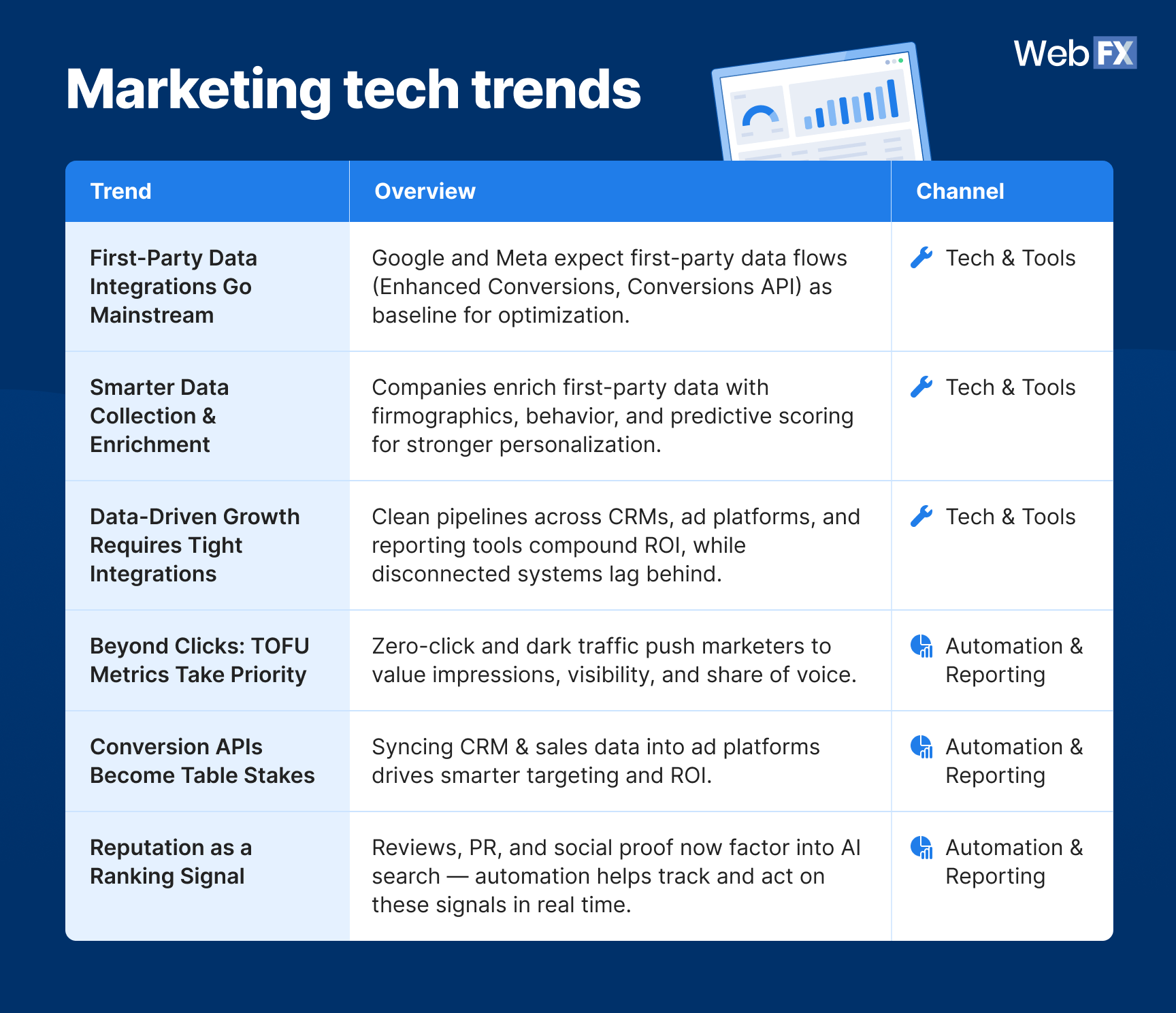
Passing the digital marketing industry trends, as we near the brand-new year, Synthetic intelligence and automation is going to transform content development, information management, customer experience and more, making it imperative for brand names to approach AI with complete evidence techniques. To supply unequaled experience, enhanced engagement and conversion chances, Video material clubbed with UGC and clear cut target market will control the digital world.
Boosting Online Retail Sales via Predictive Personalization
Thinking about the most recent digital marketing patterns given in the post only those brand names that consistently innovate, provide worth that resonates personally and engage customers on a deeper level, are going to succeed. For success the focus need to be on staying genuine, building authentic connections, and creating experiences that surpass transactions to support long lasting bonds with clients.
Just then can they successfully make use of these emerging technologies and opportunities it brings.
The digital marketing world doesn't stall. In this guide, you'll learn the 5 digital marketing trends that will directly affect presence, leads, and conversions in 2026, and how to act on them now before competitors do. 2026 is bringing modifications that will separate thriving organizations from those left scrambling to catch up.
Innovation is moving quicker than a lot of marketing groups can keep rate with. And the gap between "doing digital marketing" and "doing it well" is expanding.
Others offer practical chances you can implement now to remain ahead. Let's break down what's taking place and what you need to do about it. It's here, and it's reshaping every corner of digital marketing.
Maximizing Paid Search ROI Through Smart Automation
Organizations can now evaluate millions of client information points quickly, anticipate purchasing habits with scary accuracy, and personalize experiences at a level that was impossible 2 years back. Your competitors are already utilizing AI-powered tools to work smarter and quicker. The difficulty isn't whether to use AI. It's finding out which AI tools in fact fix genuine problems versus which ones simply include complexity.
Search results now consist of AI-generated answers, video bits, social media posts, and shopping results, all blended together. Traditional SEO strategies focused simply on keywords and backlinks aren't enough anymore. People search differently now, too. Voice searches seem like conversations. Visual searches let users discover products with pictures rather of words.

Table of Contents
Latest Posts
Mastering Omnichannel Growth Strategies for 2026
More
Latest Posts
Mastering Omnichannel Growth Strategies for 2026